The Story of Aperol: The Orange Aperitif Behind the Spritz
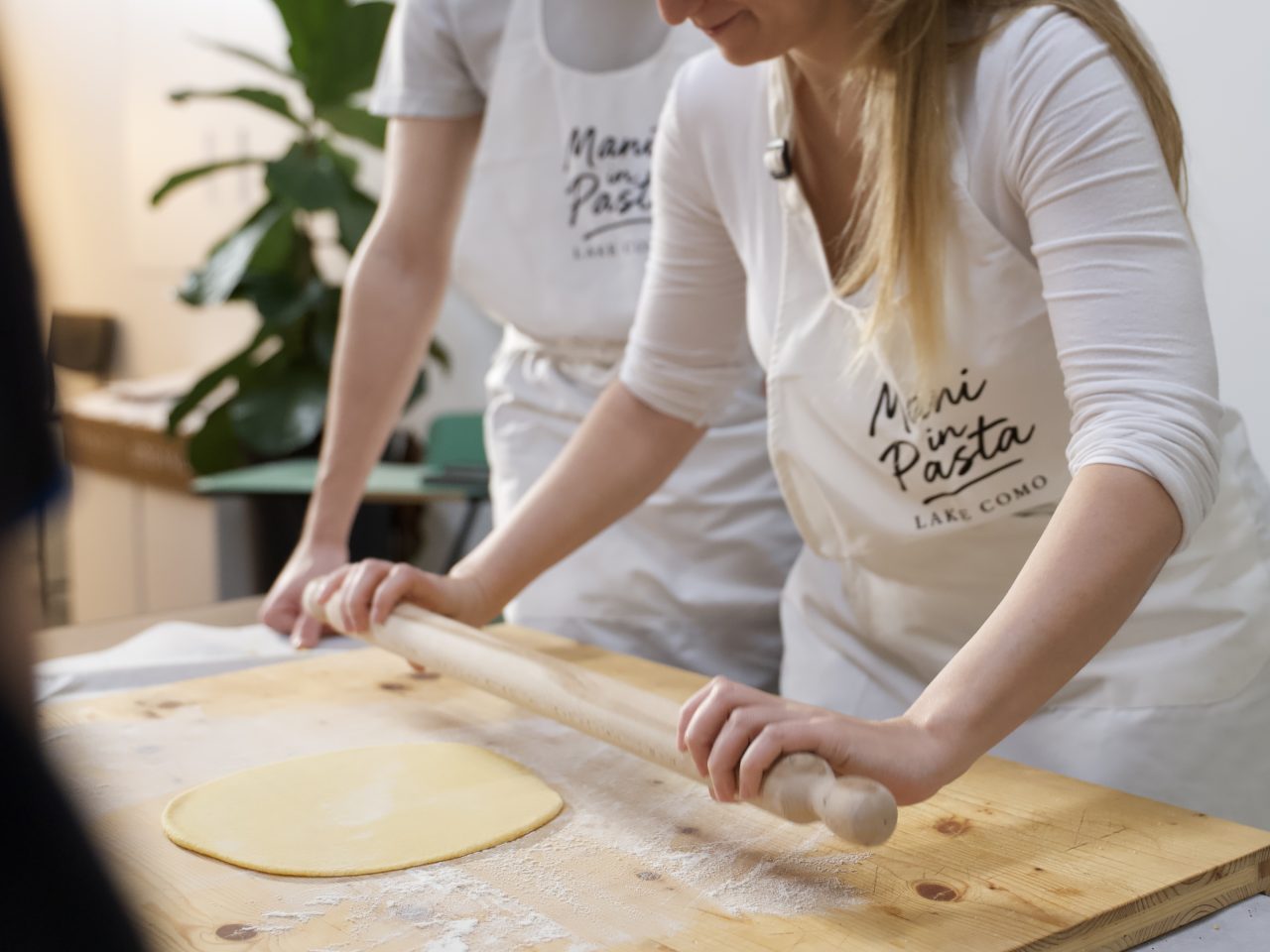
In our cooking classes in Como, while the dough rests, the aperitivo is a board of cured meats and cheeses. Outside, along the lakefront, the star of aperitivo hour is often this one: Aperol, that bright orange that has become the colour of the Italian aperitivo itself. But where does it come from, and why does it work so well here on the lake?
What is Aperol
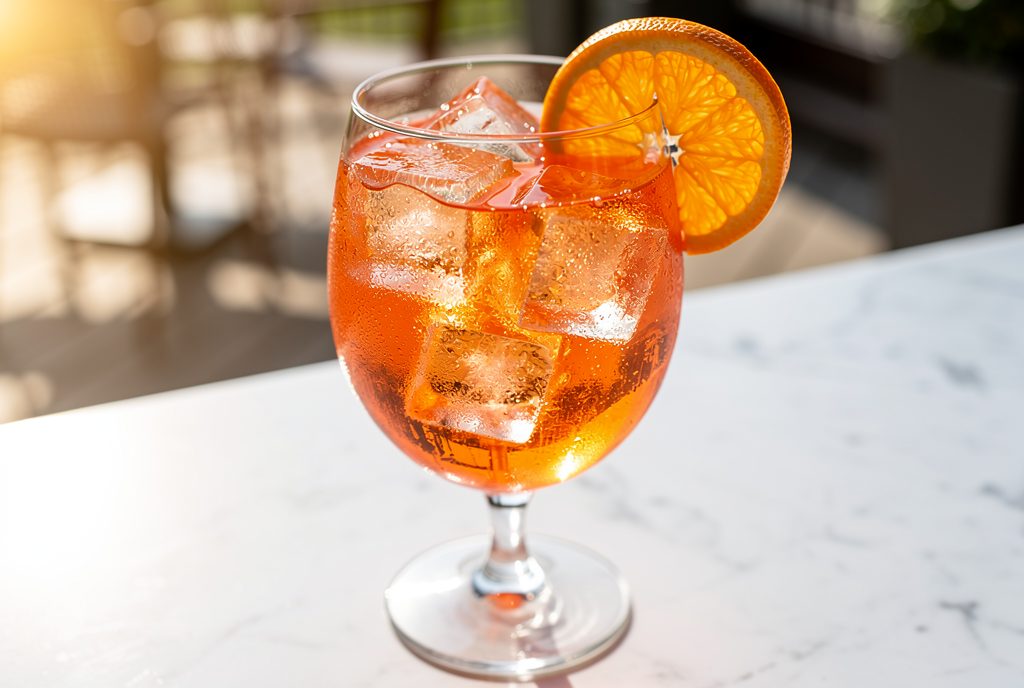
Aperol is a bittersweet aperitif that is low in alcohol: just 11% ABV, far less than many amari and liqueurs. It is made by macerating bitter and sweet orange, rhubarb, gentian, cinchona (quinine) and other herbs and roots. The exact recipe stays secret, but it is precisely that play between the bitterness of the roots and the sweetness of the citrus that gives it its signature. The bright orange colour does the rest: you can spot it across a room.
Padua, 1919: the Barbieri brothers
Aperol was born in Padua in 1919, created by brothers Luigi and Silvio Barbieri. They had spent about seven years experimenting in their father’s distillery to perfect the recipe, and they launched it at the Padua International Fair. The name itself, with its light sound, promised something new: a drink to be enjoyed before the meal, fresh and low in alcohol, at a time when the aperitivo was becoming a genteel ritual.
From the Veneto spritz to the Aperol Spritz
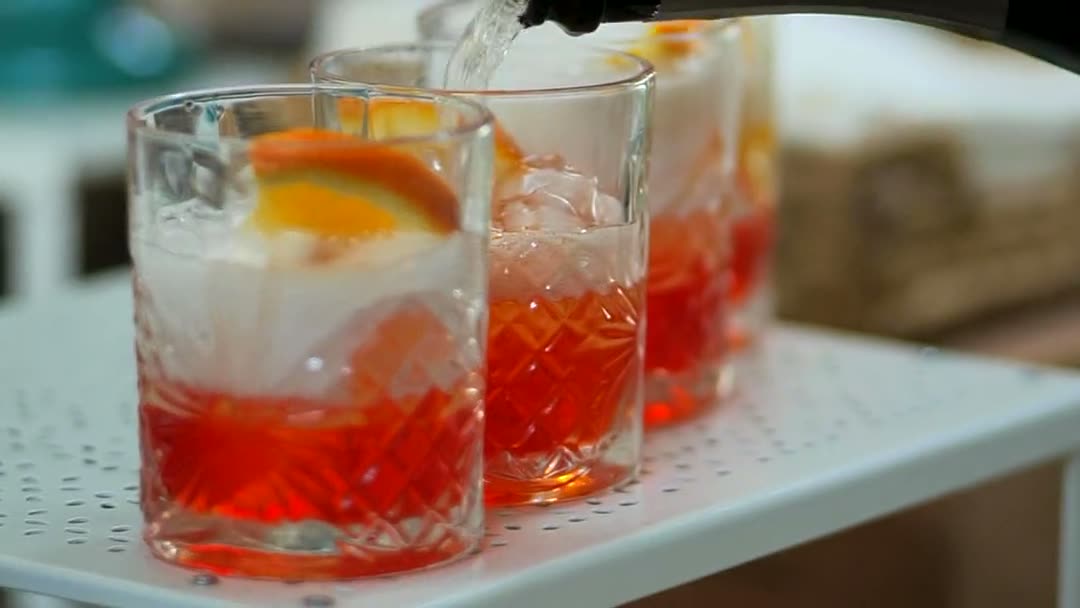
Aperol did not invent the “spritz”: the tradition comes from the Veneto, from the old Habsburg habit of “spritzing” wine with water. But it was from the 1950s onward that the Aperol Spritz as we know it really took off and became an icon. The classic modern ratio is simple: 3 parts prosecco, 2 parts Aperol, a splash of soda and a slice of orange. Plenty of ice, a big glass. It is the formula everyone remembers as 3-2-1.
Why Aperol belongs on Lake Como
Compared with its more bitter sibling, Campari, Aperol is lighter, more citrusy, more approachable: less alcohol, less bitterness, a sweetness that wins over even those who shy away from bold flavours. It is perfect for the aperitivo moment — that slow half-hour before dinner, when the light drops over the water. If you want to understand where that ritual comes from, we have written about the aperitivo in Como in a separate piece.
Today: from the Campari Group to your glass
Today Aperol belongs to the Campari Group, the same house that looks after its bitter counterpart. But for us it remains, above all, a gesture made with your hands: measure, pour, garnish. With the 3-2-1 ratio you can make it at home without an app or a scale.
Key takeaways
- Created in Padua in 1919 by brothers Luigi and Silvio Barbieri.
- Bittersweet orange aperitif, low in alcohol: 11% ABV.
- Maceration of orange, rhubarb, gentian, cinchona and herbs (secret recipe).
- Aperol Spritz: 3 prosecco, 2 Aperol, splash of soda, orange slice.
- Lighter and more citrusy than Campari; today part of the Campari Group.
Curious? Ask us in class
The spritz is not on the menu of our masterclasses, but if you are curious, just ask and we will gladly show you how to make one during the class. That goes for all of them: the Tagliatelle Masterclass – Fresh Tomato, the Tagliatelle Masterclass – Ragù Bolognese, the Gnocchi Masterclass, the Ravioloni Verdi Masterclass – Ricotta, the Farfalle e Garganelli Masterclass and the Risotto Masterclass.
Book a cooking class in Como
Hand-rolled pasta or risotto to cook and eat together. In between, an aperitivo with cured meats and cheeses; at the table, local wine (one bottle for every four guests); to finish, gelato with 25-year-aged Traditional Balsamic Vinegar of Modena DOP.
Book a class Back to Journal